The problem
Energy suppliers send their customers letters about debts and complaints, and they weren’t working: people didn’t understand them, they felt intimidated by them, and they didn’t know what steps to take.
As a result, suppliers weren’t getting the money they were owed and couldn’t resolve people’s complaints or help them get out of debt.
We wanted to help energy companies understand how to better communicate with their customers. So it was decided that we’d host Citizens Advice’s first ever hack day, inviting energy sector professionals and educating them about user-centred design.
The timeline
August to October 2019.
The team
- 1 User Researcher
- 1 Content Designer
- 1 Delivery Manager
- 1 Product Owner
- 1 UX Designer (me)
The process
Planning
From finding an affordable and accessible venue to organising refreshments, sending invitations to planning tasks, finding speakers to designing the day’s workshops — there was a lot involved and we split the work between our small team based on our skills, interests, and capacity at any one time.
We also had regular meetings with colleagues across the sector, who gave advice and helped facilitate the groups/tables on the day. They came from:
- Department for Business, Energy and Industrial Strategy (BEIS)
- Energy Ombudsman
- Energy UK
- Government Digital Service (GDS)
- HMRC
- Money Advice Trust
- Ofgem
Facilitating
The day was fully-booked, with 45 attendees from 25 energy suppliers.
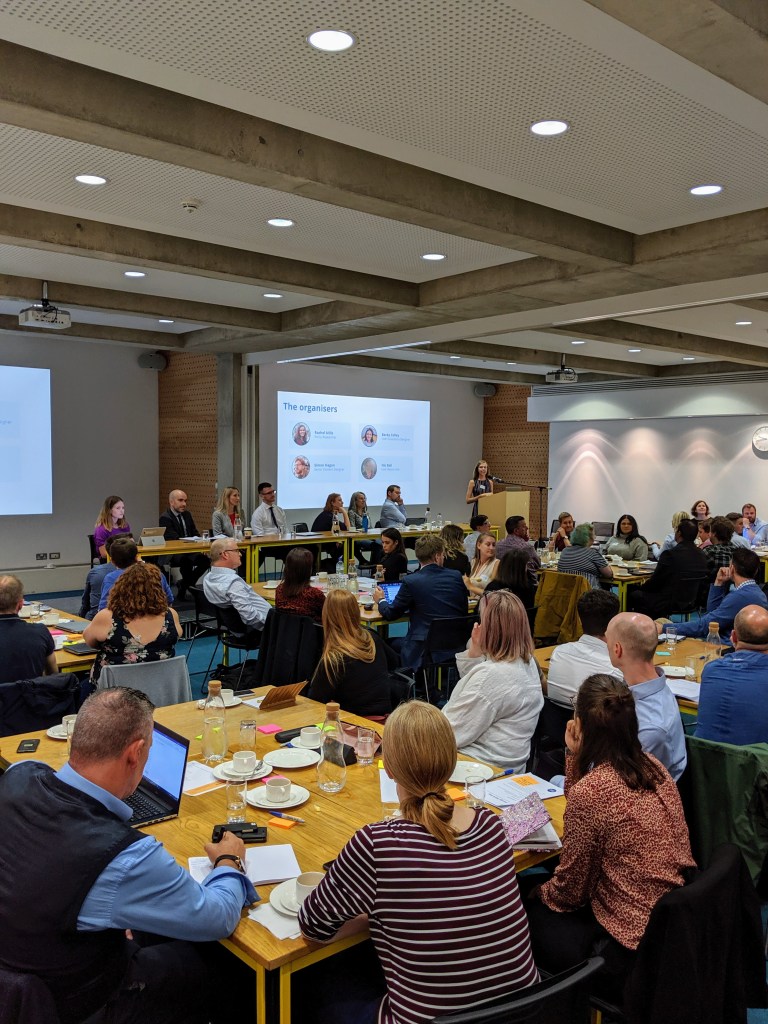
There were talks from industry experts, who explained why energy suppliers need to empathise with customers’ needs and personal situations. Other speakers shared content design tips, like using Plain English and testing things with users/customers.
Suppliers were also reassured that they can be creative and less formal, even when bearing in mind regulations when writing to customers.
We’d also arranged icebreakers to encourage open conversation when groups moved on to the activities, such as to learning how to write user stories.
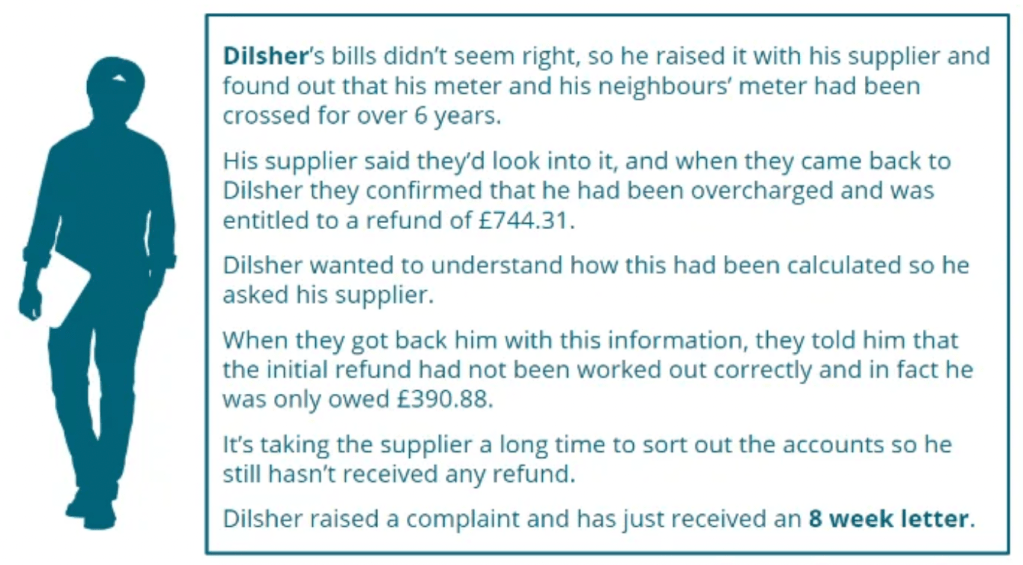
The rest of the day was spent focusing on the actual problem: re-designing a variety of letters commonly sent by suppliers to consumers.
Summary
After the event we sent a survey to get feedback from attendees and their responses told us that:
- 92% found the hack day useful
- 96% would change something within their organisation
While there are always things to learn (for example, suppliers also fed back that it would’ve been helpful to see some example letters), it was a successful day with exactly the outcome we hoped for.
What else have I done?
See more of my work, including making improvements to memberships at the Barbican Centre and redesigning the Stand Up To Cancer website for Cancer Research UK.
 Becky Colley, UX Designer